

“I’ll stop at the end of this chapter.” It sounds like a reasonable plan. Then the chapter ends with a question you need answered, and the next one looks short enough to squeeze in.
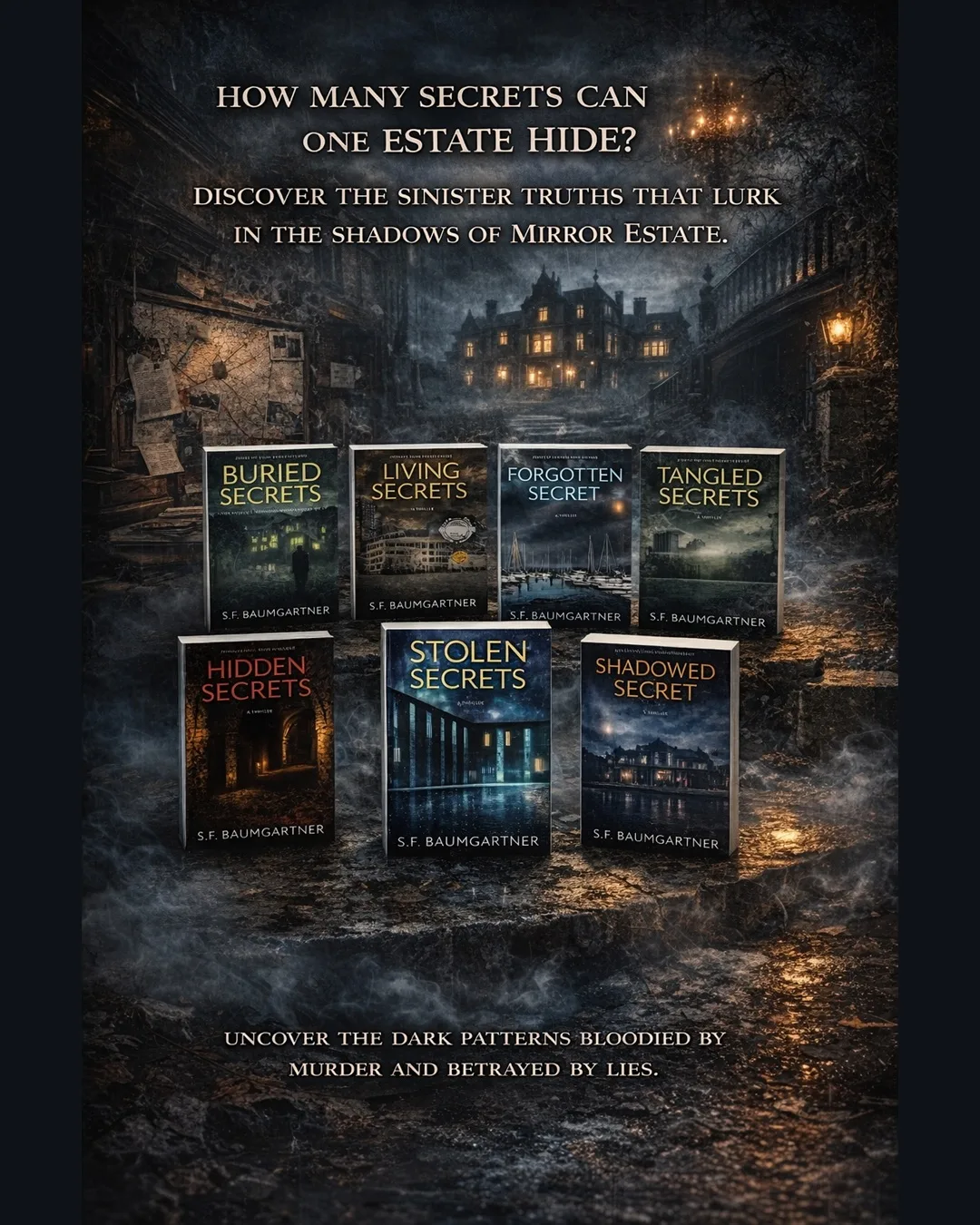
Readers who have spent time in the Mirror Estate books will know that I like short chapters. They suit the movement of a thriller, and they make a few spare minutes feel like enough time to return to a story.
A short chapter still needs to do something
Length alone cannot create suspense. A chapter needs to change our understanding of the situation, move a character toward a decision, or give us a reason to wonder what happens next. Two pages of waiting can feel much longer than ten pages in which something matters.
The turn can be small. An answer may raise a better question. Someone may notice a detail that another character dismissed. A conversation may leave us less certain about whom to trust. Those shifts can carry us forward without a dramatic threat at every break.
Sometimes the pause is the point
A chapter break also gives a revelation a moment to settle. It lets the reader think about what has just happened before the next scene begins. In a story with several viewpoints, a break can move us to someone who understands the situation very differently.
I want readers to feel that the story is moving while still having time to care about the people in it. A quieter exchange can matter as much as an urgent discovery if it changes what a character is prepared to do.
If you enjoy that rhythm, you can browse the Mirror Estate series here.
What makes you turn another page: a cliffhanger, a new clue, or simply wanting more time with the characters? And are you good at sticking to your planned stopping point?